

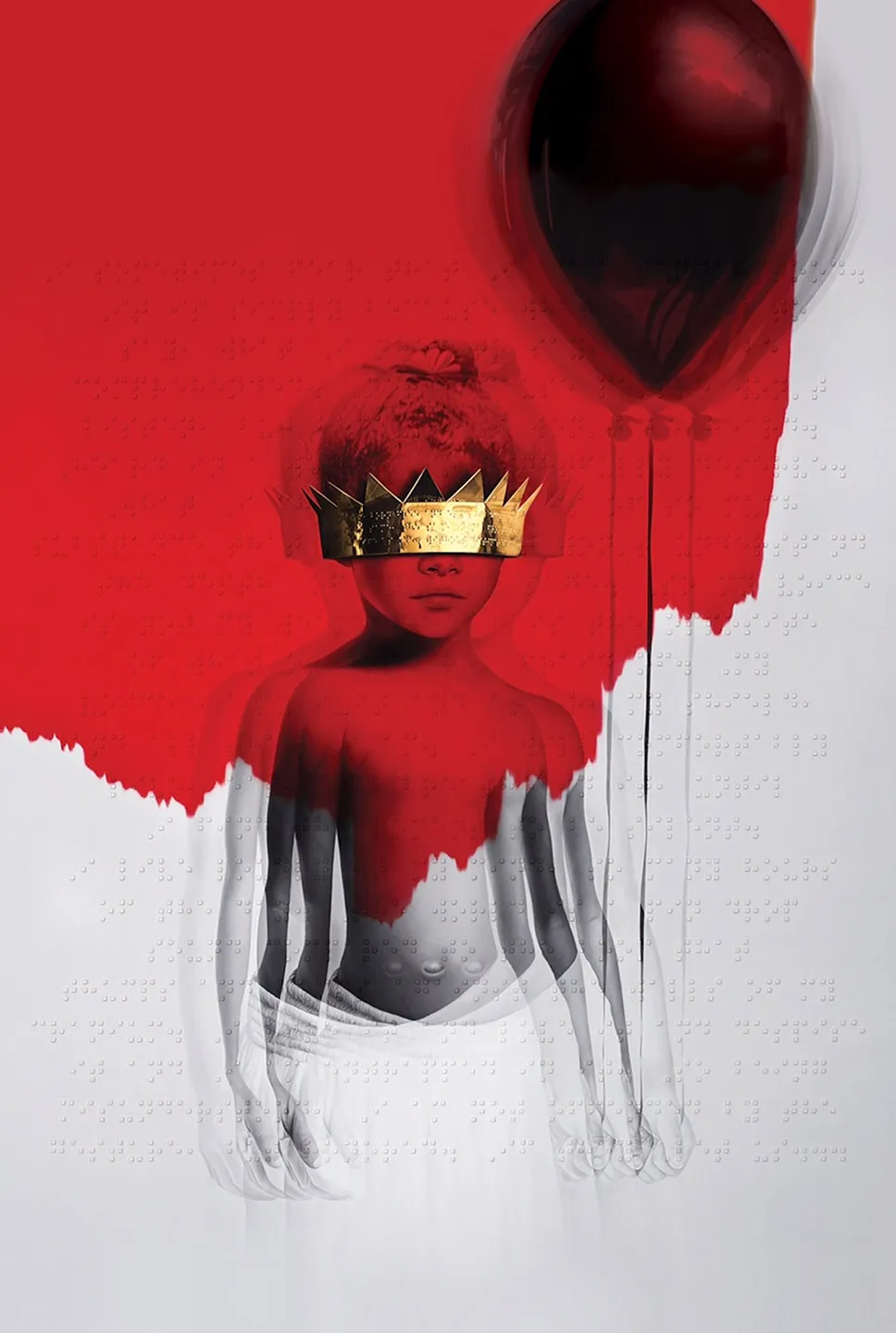
When ANTI arrived, it felt like a reset, a reclamation, and a clear message that Rihanna was no longer interested in playing by anyone else’s expectations. Up to that point, she had already dominated radio for years, stacking hits with machine-like consistency. ANTI is what happens when an artist at that level decides hits are no longer the goal, and identity is.
From the opening seconds of “Consideration,” featuring SZA, the tone is unmistakable. The production is gritty, minimal, and tense. Rihanna sounds alert, almost defiant, as if she is stepping into a new era with her guard up. Lyrically, she sets the thesis for the entire project. She does not want to be shaped, rushed, or diluted. That theme of autonomy runs through the album like a live wire. It is not framed as a dramatic reinvention. It feels more like the first time we are meeting the real version of her.
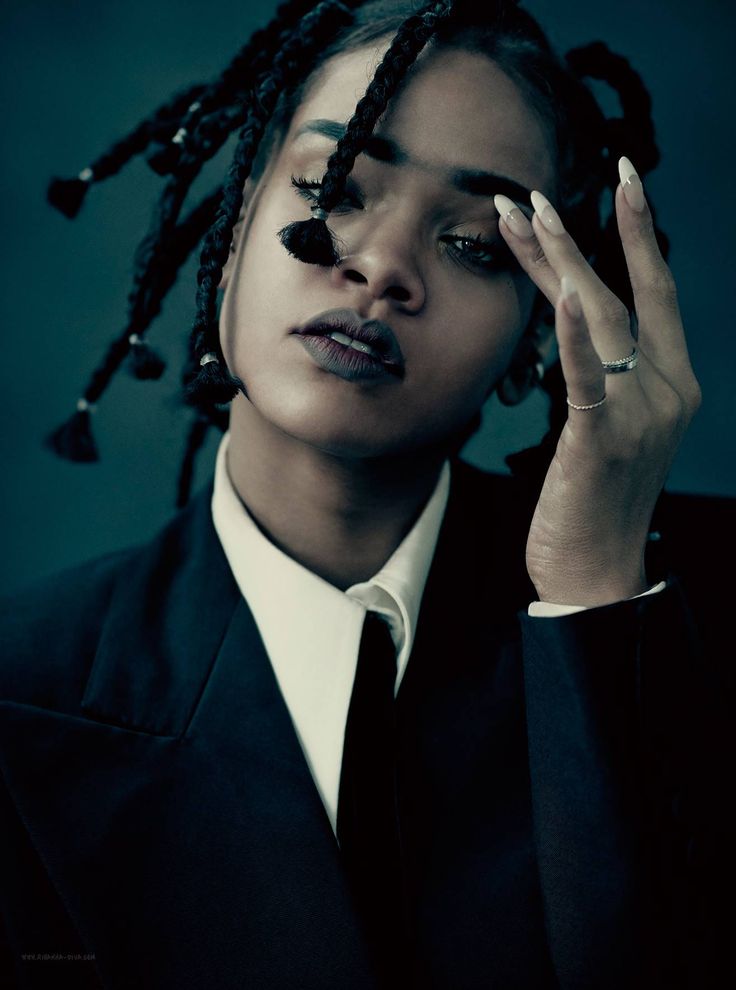
Sonically, ANTI leans into negative space. There are fewer glossy, maximalist pop builds and more mood driven textures. The beats breathe, and the silence matters. That shift gives her voice room to do something we had not consistently heard before on a full Rihanna project. She experiments with tone, restraint, and rawness. She lets notes hang. She lets cracks show.
“Kiss It Better” stands out as one of the most lush and cinematic moments. Built on a dreamy, guitar laced groove, the song feels like slow motion heartbreak in neon light. Rihanna’s vocal performance is smoky and controlled, gliding between sensuality and vulnerability. It is the kind of track that could have been polished into a straightforward pop ballad, but instead it lives in a hazy, almost psychedelic space. The emotion feels less performed and more lived in.
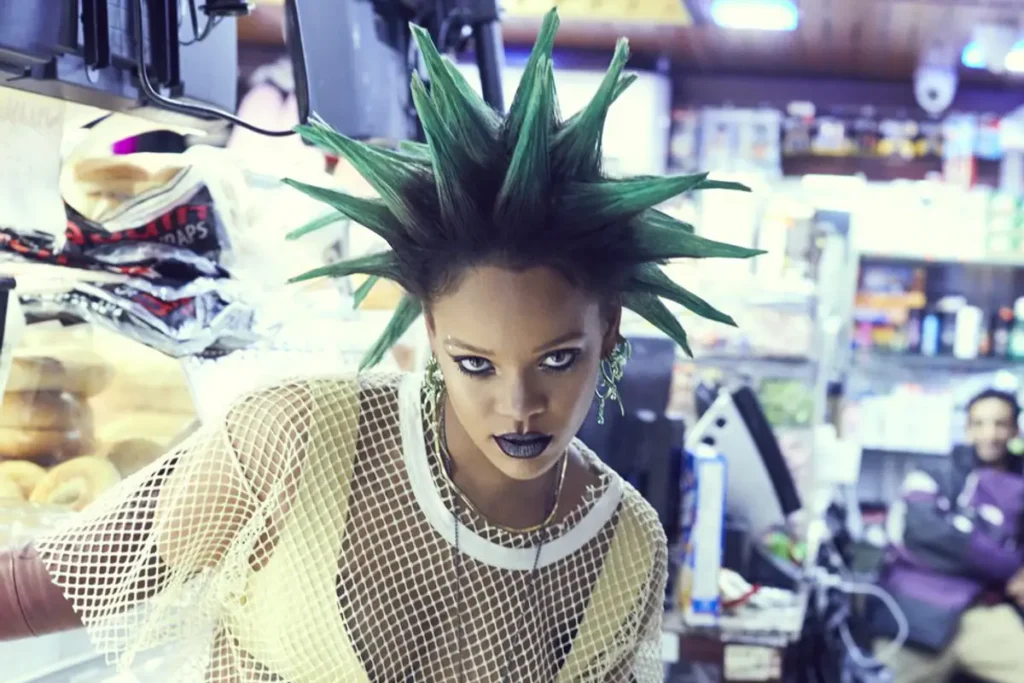
Then there is “Work,” the album’s biggest commercial juggernaut. On paper, it is the most familiar-sounding track, especially with Drake in the mix. But even here, the approach is different. The repetitive hook and patois-heavy delivery were initially polarizing, but that looseness is exactly the point. Rihanna is leaning into rhythm, accent, and vibe, pulling from Caribbean influences in a way that feels personal rather than trend chasing. It is hypnotic instead of traditionally melodic, and its dominance on the charts proved that risk could still translate to massive appeal.
“Desperado” and “Woo” push the album further into left field. “Desperado” has a dusty, almost Western atmosphere, built on sparse percussion and echoing space. It feels lonely and cinematic, like a desert highway at night. “Woo,” produced with help from Travis Scott, is jagged and industrial, with distorted textures that border on abrasive. Rihanna’s vocals cut through that chaos with a cool detachment that makes the song strangely addictive. These tracks show her willingness to get uncomfortable, to sit in sounds that are not designed to be easy.
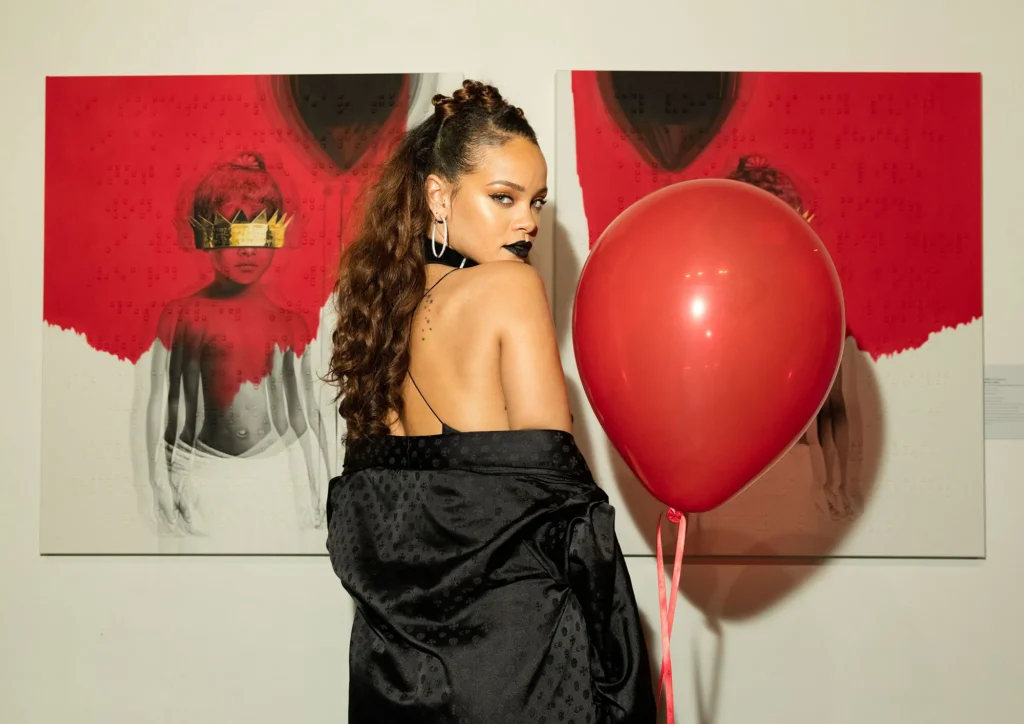
The emotional core of ANTI reveals itself most clearly in its ballads. “Love on the Brain” is a stunning throwback moment, rooted in classic soul and doo wop influences. Her vocal performance here is one of the most impressive of her career. She pushes her voice into a raspy, pleading register that feels almost fragile. The pain in the lyrics, the push and pull of toxic devotion, is delivered with theatrical intensity, yet it never tips into melodrama. It is raw, exposed, and a reminder that beneath the pop persona is a singer capable of deep emotional storytelling.
“Higher” takes that vulnerability even further. The track is short, almost like a late night voicemail set to music. Her voice sounds worn, slightly slurred, and completely unfiltered. Some listeners heard imperfection. Others heard honesty. It is an unforgettable track that, while not pretty in the traditional sense, captures the messy side of longing and regret, the kind that shows up when the night is quiet and defenses are down.
“Needed Me” is where independence turns sharp. Over a dark, creeping beat, Rihanna delivers one of her most cutting performances. The lyrics are cold, clear, and unapologetic. She flips the narrative of emotional dependence and makes it transactional. The mood is icy and empowering. It became an anthem precisely because it refuses softness. In the context of the album, it balances out the more vulnerable tracks, showing that emotional honesty also includes anger and detachment.
What makes ANTI so important is not just its individual songs, but its cohesion as a statement. It resists the traditional pop album formula of obvious singles spaced between filler, which is honestly a formula that Rihanna has used throughout our career. Instead, it plays like a mood board of Rihanna’s instincts at that moment. There are R&B elements, hints of rock, touches of soul, and Caribbean rhythms, all filtered through a darker, more introspective lens. The sequencing flows like a late-night emotional arc, moving between desire, defiance, heartbreak, and self-protection.
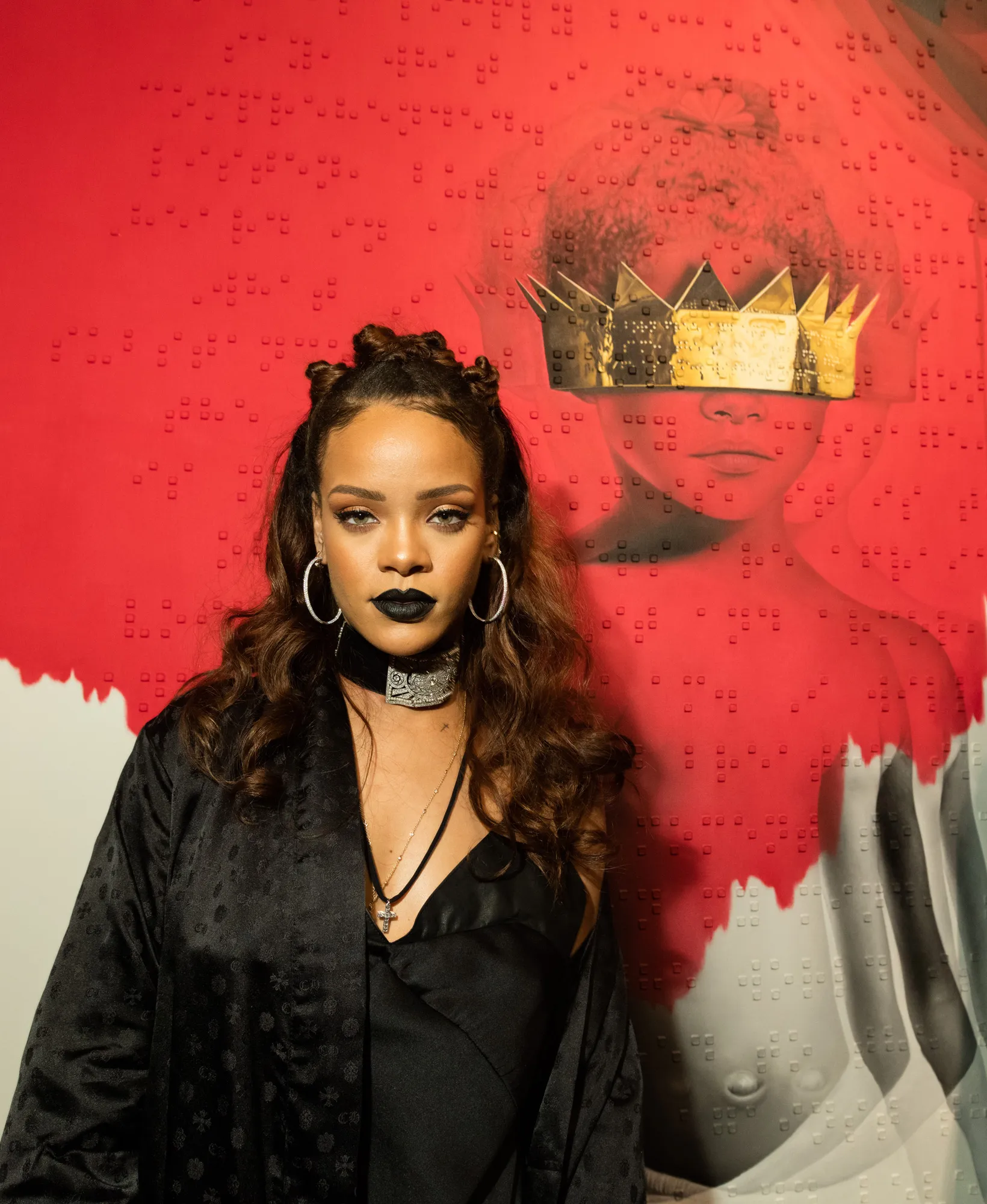
In the broader landscape of pop and R&B, ANTI marked a shift toward artist driven projects over label engineered ones. Rihanna, already one of the most powerful figures in music, used that leverage to make something less predictable and more personal. The gamble paid off critically and commercially, but more importantly, it expanded the idea of what a superstar album could sound like.
Years later, ANTI still feels fresh because it is rooted in feeling rather than formula. It captures an artist choosing freedom over expectation, texture over gloss, and mood over mechanics. In doing so, Rihanna did not just release one of the best albums of her career; she gave us a blueprint for pop stardom that prioritizes self-definition above all else.
Now the world just awaits her next project.
