

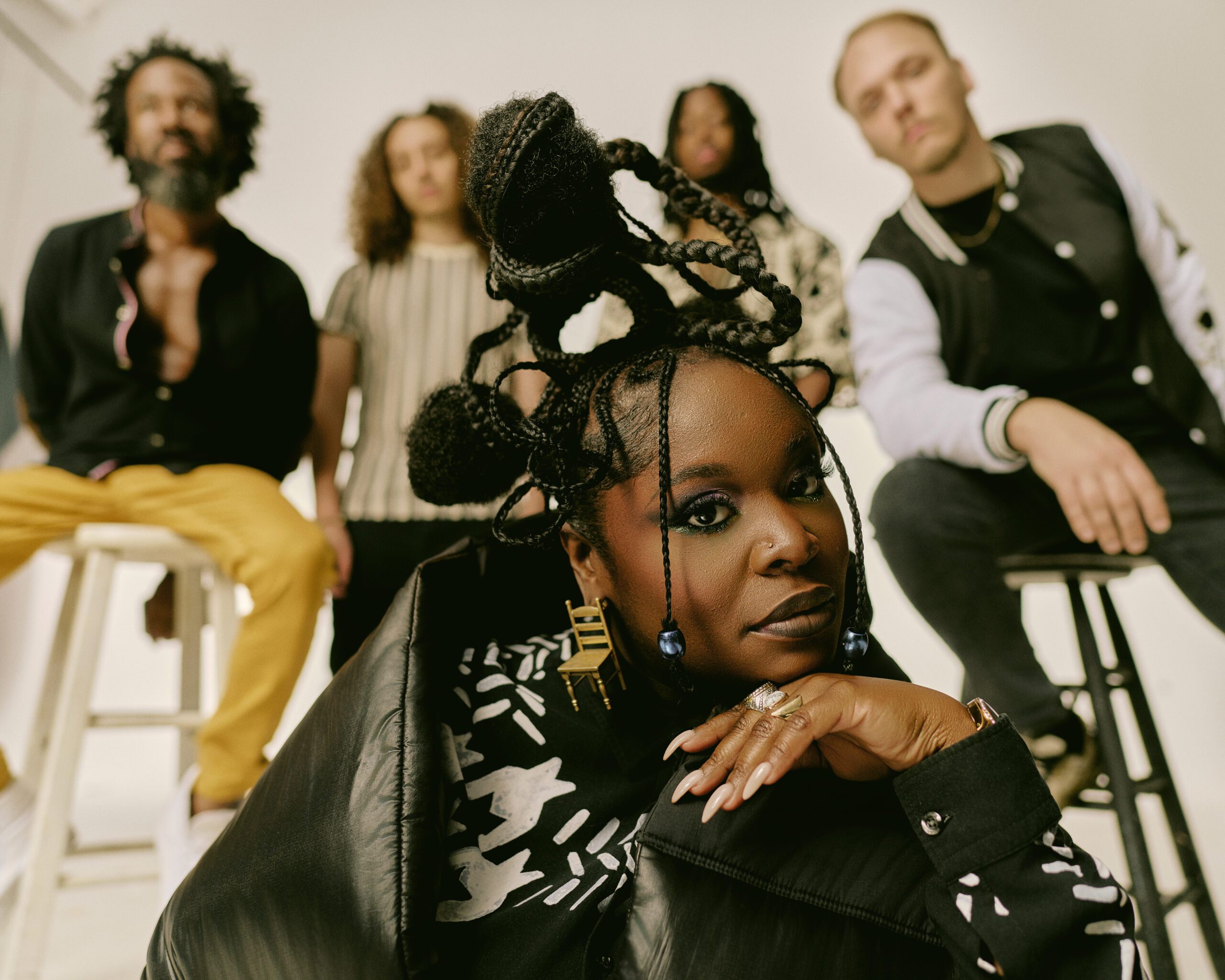
Back in 2019, Green Balloon felt less like a debut and more like an invite to the wildest house party in New Orleans, where the walls were lined with poetry, and the floor stayed in a constant state of groove, with R&B and hip-hop at the forefront. Since then, the group has been on a tear, from the strong follow-up in Red Balloon to last year’s Grammy-winning pivot into spoken word. Now, with The Last Balloon, the collective is presenting the closing chapter of a trilogy that aims to rewrite the rules of modern R&B and Soul.
Tarriona “Tank” Ball, lead singer of the group, told Stereofade that they always thought about doing a trilogy, joking that people would be looking for “all types of balloons” and the series would be going on until her sixties if she didn’t stop at three “Balloon” albums. She says after winning their Grammy for Best Spoken Word Poetry Album with The Heart, The Mind, The Soul, it was time for a new chapter.
It was never going to be like a million balloons for me. So this is the perfect time, especially since we’re kind of like really starting over in our own very unique way this time.
Tarriona Ball
It’s impossible to talk about Tank and the Bangas’ trajectory without nodding to the 2017 NPR Tiny Desk Contest win that launched them into the stratosphere. That performance, with its high energy and theatrical storytelling, remains the gold standard for what the band represents. On The Last Balloon, that same “Tiny Desk magic” is present in a mature yet evolved way.
Previous entries in their catalogue series felt like genre-bending trips into jazz and whimsical R&B, and bass-heavy hip-hop. The Last Balloon is more of the same, while also feeling grounded in its purpose; that purpose being to get everyone on the dancefloor. Executive produced by Austin Brown, the album leans heavily into the rhythmic beats and energy. It’s a celebration that incorporates some of the group’s past quirkiness and evolves for an even more streamlined, high-heat delivery.
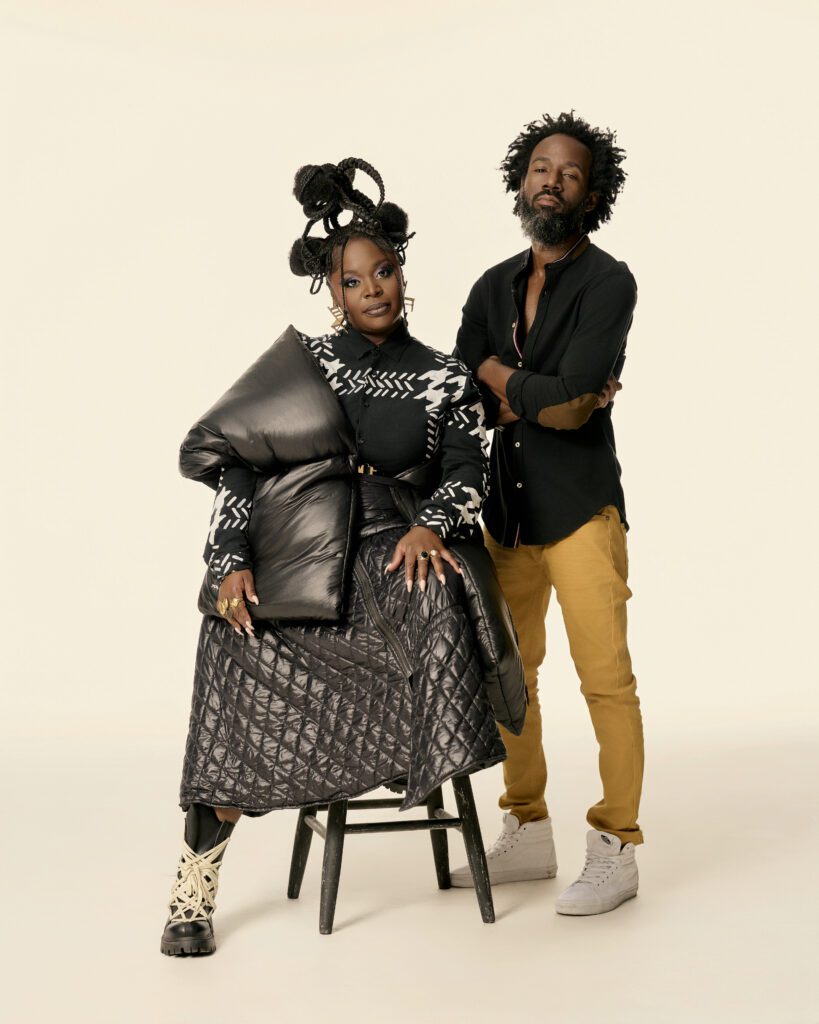
Norman Spence, member of Tank and the Bangas, talked to Stereofade about the features on the album. The album features performances from a slew of New Orleans counterparts, from Lucky Daye, Ledisi, and Dawn Richard. Spence remarked on how it was kind of “fate” that led them all together for the album.
Since Austin [Brown] is producing the album for us, he was able to make us, you know, connect us with Lucky Daye. Ledisi been a friend, Dawn been a friend, you know, she’s from New Orleans as well, so it kind of organically just came…Even what songs would be what, you know, it just happened kind of in a perfect way,
Norman Spence
I was not expecting the level of sensuality and sexual innuendo on the tracks like “Honeycomb” featuring Akeem Ali. It’s a testament to Ball’s versatility, going from the boss-like lyrics on “Ain’t That Deep” to pleasure-speak later in the album.
Speaking of Ball’s versatility, I thoroughly enjoyed hearing the track “No Invite,” as she raps the entire song, effortlessly cruising through different voices and inflections. The visuals for the track are just as great, with Tank and the Bangas singing, playing instruments, and showing off a good time.
A few other standout tracks:
“Move” featuring Lucky Daye: The lead single remains a high-water mark. It’s a slick, bass-heavy collaboration that highlights the undeniable chemistry between Ball’s amazing vocals and Lucky Daye’s velvet-smooth delivery. The song is a catchy earworm as well. It’s had me randomly chanting “still can’t take you nowhere” anytime I go out.
“Ain’t That Deep”: This is Ball at her most charismatic. Half-rapped, half-sung, and entirely confident, the track is confidently an anthem for their fans. The accompanying visuals cement the album’s deep connection to New Orleans.
“Don’t Count Yourself Out” featuring Dawn Richard: A groovy collaboration with fellow NOLA native Dawn Richard. It’s a track that feels like it belongs in multiple eras simultaneously. It is certainly an inspirational and motivational track as well with its message.
By the time you reach the powerful bass and instrumental ensemble on “Whole World” featuring Ledisi, it’s clear that Tank and the Bangas have achieved the ability to adapt and change while staying true to their sound. Right after “Whole World” comes another one of my favorite tracks, “Jealous” featuring Jelly Joseph. The rap-sung track uses a Timbaland-style instrumental with enough of a New Orleans flair to fit the theme of the project.
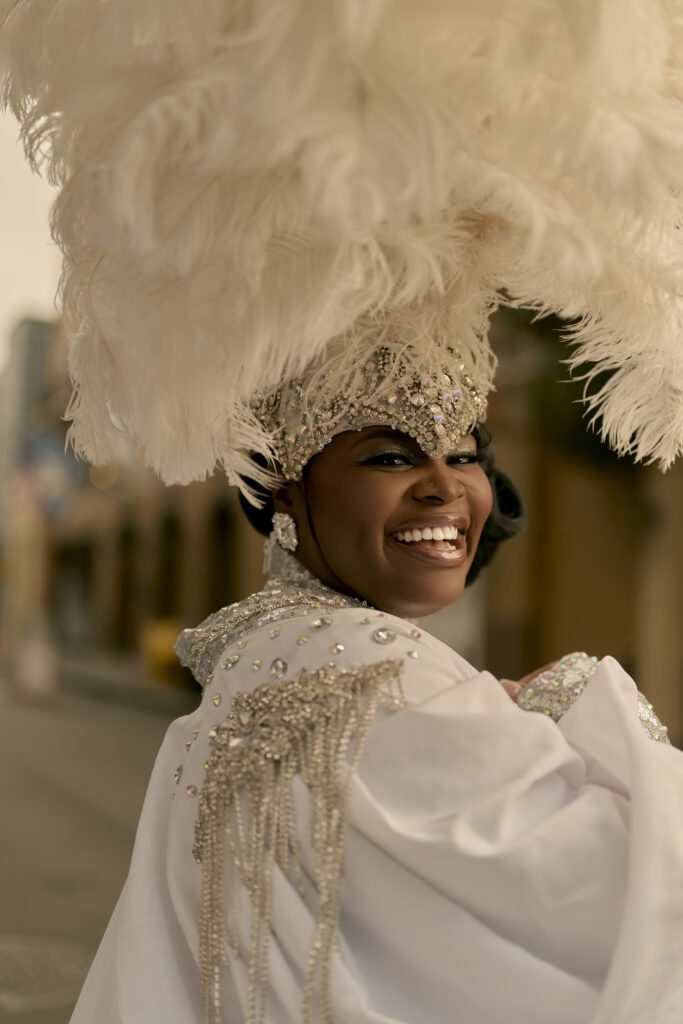
After listening to the album, and in particular the lead single “Move,” the songs seem to invoke a single feeling: joy. Before the album’s release, I asked Ball and Spence about if joy was a guiding principle for the album.
Us being like, just festival killers, is just like we always want our fans to dance and move and just have this amazing good time with us, and so that was really intentional to get them to have fun and move with us. So that’s, that’s really what that track was about, like even the whole album. We just want them to have fun and sing back and forth with us.
Tarriona Ball
The album balances the communal uplift of their live shows with the polished precision of a band that knows exactly who they are. If this truly is the end of the “Balloon” era, they’ve left us floating at an incredible altitude.
