

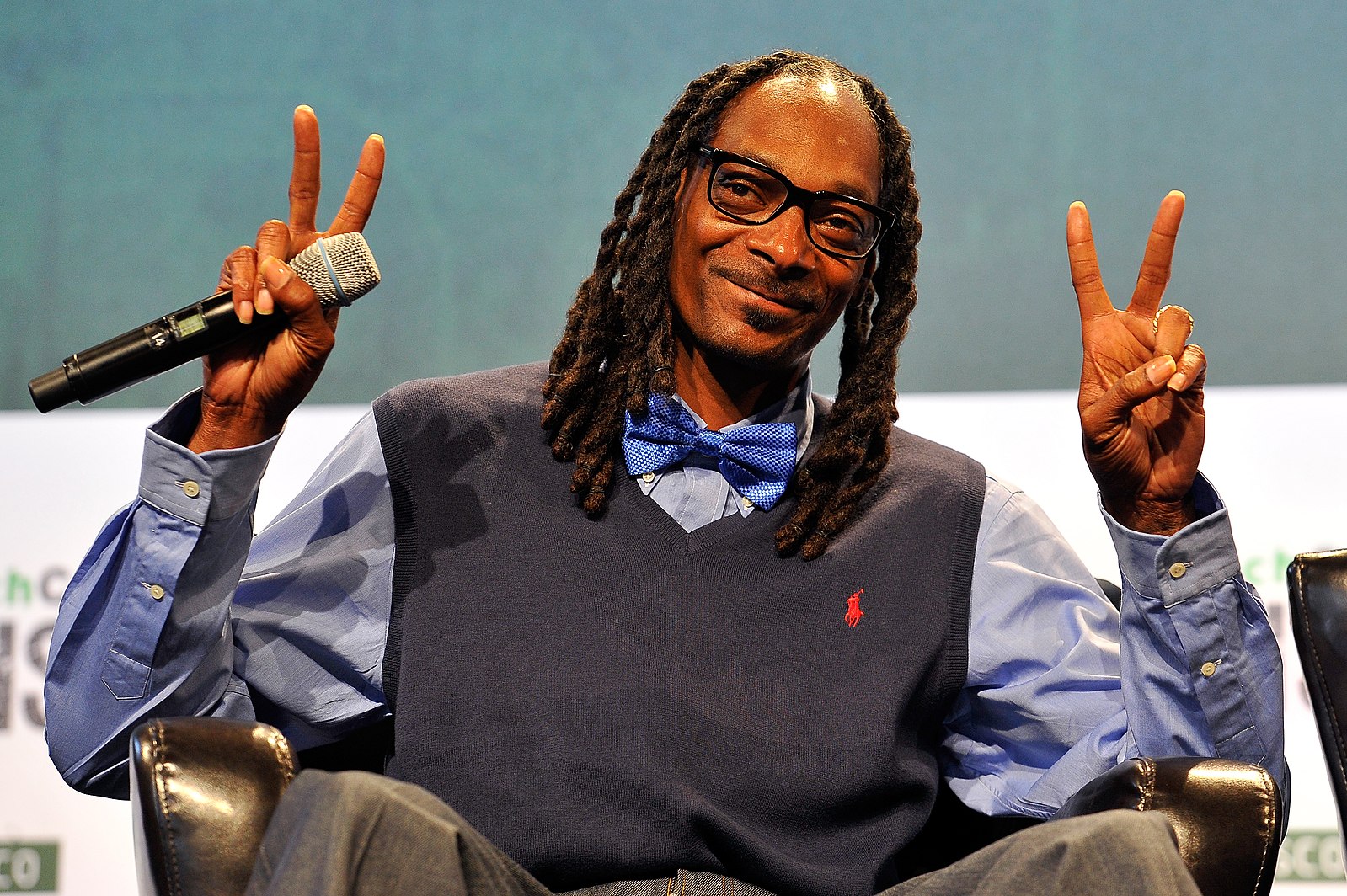
Celebrating the 30-year anniversary of Snoop Dogg’s seminal album “Doggystyle” is akin to embarking on a nostalgic pilgrimage through the corridors of West Coast hip-hop’s golden era. Released in 1993, this magnum opus not only catapulted Snoop Dogg into the stratosphere of rap stardom, but also left an indelible mark on the genre, etching his name into the annals of hip-hop history.
Dr. Dre’s production on “Doggystyle” stands as a masterclass in G-funk, a distinctive sonic tapestry that marries smooth melodies with gritty beats, capturing the very essence of the streets. The album unfolds like a cinematic narrative, commencing with the evocative “Bathtub,” setting the thematic stage for a journey that unravels across the ensuing tracks. Snoop’s inimitable flow, characterized by his laid-back delivery and unique cadence, became an auditory trademark that not only resonated with fans but also went on to influence a legion of aspiring artists.
Delving into the lyrical content of “Doggystyle” unveils a raw and unfiltered portrayal of Snoop Dogg’s Long Beach upbringing. From the vivid tales of street life in the evocative “G Funk Intro” to the unabashed celebration of revelry in the timeless “Gin and Juice,” the album adeptly navigates the delicate balance between gritty gangsta rap narratives and the feel-good, carefree vibes of West Coast living. Snoop’s storytelling prowess is particularly showcased in tracks like “Murder Was the Case,” where he weaves a narrative that blurs the lines between reality and artful fiction.
A defining feature of “Doggystyle” is its collaborative synergy with artists like Tha Dogg Pound, Nate Dogg, and Warren G. The collective chemistry between Snoop and his collaborators elevates the album, creating a sonic panorama that resonates with listeners across generations. The meticulous production quality and attention to detail make “Doggystyle” not just an album but a sonic journey that transcends time, retaining its relevance and impact.
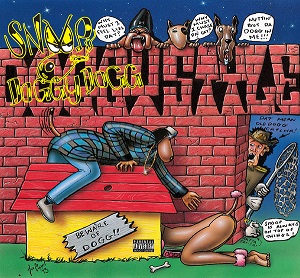
Beyond its musical prowess, “Doggystyle” played an instrumental role in shaping the ethos of hip-hop culture. Snoop Dogg’s laid-back style, infectious charisma, and unapologetic authenticity made him not just a musical icon but a cultural phenomenon. His influence extended beyond the realm of music, permeating fashion, language, and the overall attitude of the rap scene. The album’s cover art, an iconic and provocative representation of a dog’s life, became an instantly recognizable symbol, further solidifying its legendary status.
While “Doggystyle” was not immune to controversy due to its explicit content and vivid depiction of gang life, it simultaneously served as a catalyst for important dialogues about artistic expression and censorship in the early ’90s. The album’s resilience in the face of these challenges speaks to its cultural significance and the unwavering authenticity of Snoop Dogg’s voice in the ever-evolving landscape of hip-hop.
As we commemorate the auspicious 30-year milestone of “Doggystyle,” it becomes increasingly evident that its influence extends far beyond its initial release. Snoop Dogg’s debut remains a cornerstone of West Coast hip-hop, a timeless testament to the power of storytelling, production innovation, and the enduring impact of a cultural icon. It stands not merely as a historical artifact of a bygone era but as a living, breathing testament that continues to resonate with new generations of hip-hop enthusiasts, ensuring its esteemed place in the pantheon of rap classics for years to come.
For more reviews, stay tuned to Stereofade. Also, check out our recent review of the 10-year anniversary of Sky Ferreira’s debut album Night Time, My Time.
